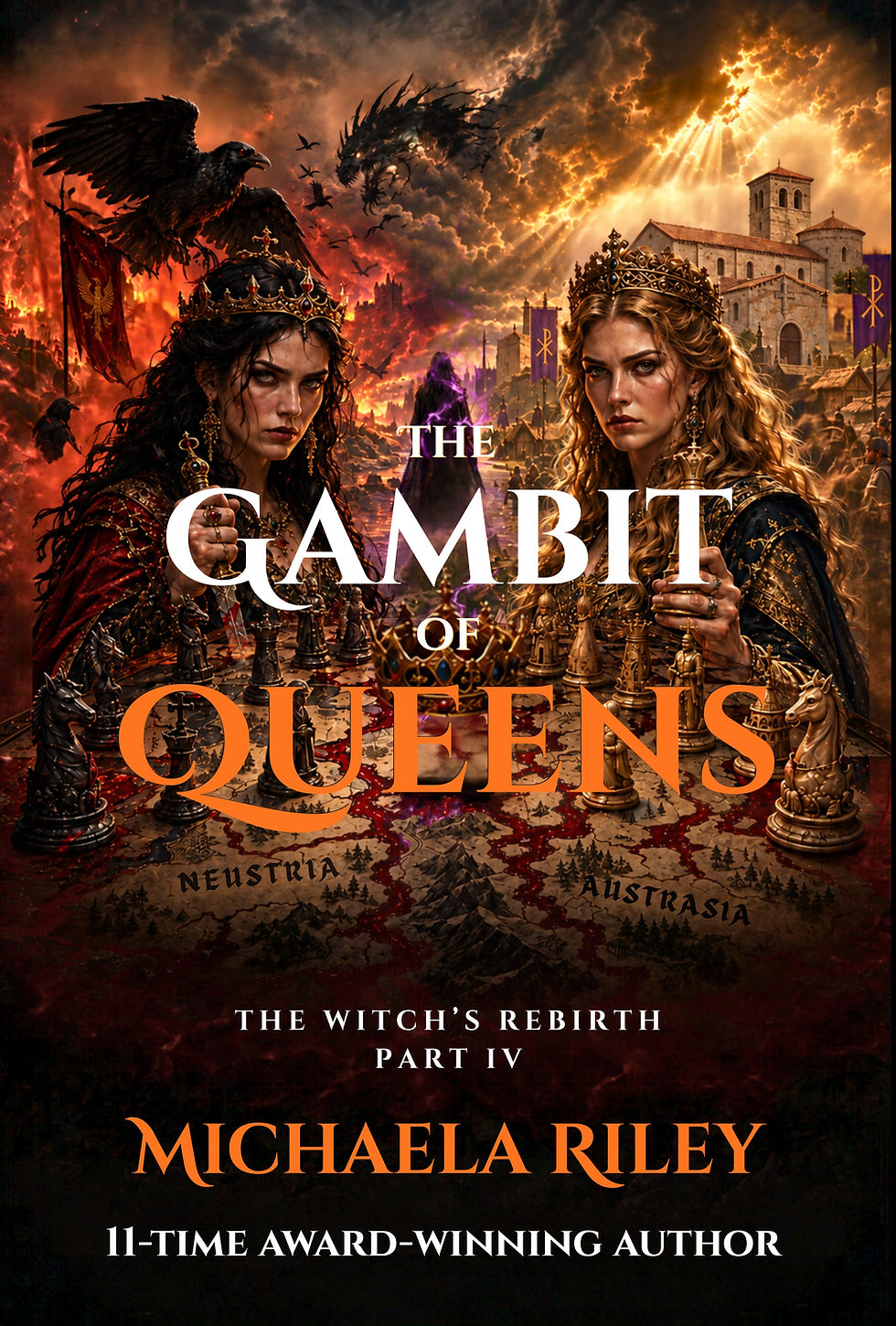
Crafting the Perfect Historical Fantasy Novel

Crafting a historical fantasy novel is a unique challenge that blends the rich textures of history with the boundless creativity of fantasy. This genre invites writers to transport readers to a world where the past is alive with magic, mythical creatures, and extraordinary adventures. To create a compelling story, authors must balance historical accuracy with imaginative elements, ensuring the narrative feels both authentic and enchanting.
Understanding the Foundations of Writing Historical Fantasy Books
Before diving into your manuscript, it is essential to grasp the core elements that define historical fantasy. This genre typically combines a real historical setting or period with fantastical components such as magic, supernatural beings, or alternate histories. The key to success lies in thorough research and creative integration.
Research the Era: Study the customs, language, politics, and daily life of the chosen period. This knowledge grounds your story in reality.
Identify the Fantasy Elements: Decide what magical or mythical aspects will enhance your story without overshadowing the historical context.
Create a Cohesive World: Blend history and fantasy seamlessly so that the magical elements feel like a natural part of the world.
For example, if your story is set in medieval Europe, you might include folklore creatures like dragons or fae, but ensure their existence fits logically within the societal and cultural framework of the time.

Building Authentic Characters and Settings
Characters and settings are the heart of any novel, and in historical fantasy, they must resonate with both the historical period and the fantasy elements. Authenticity in character development and world-building helps readers immerse themselves fully.
Develop Multi-Dimensional Characters: Characters should reflect the values, beliefs, and struggles of their time but also possess unique traits that make them memorable.
Use Historical Details to Enrich Settings: Incorporate architecture, clothing, food, and social customs to create vivid scenes.
Integrate Fantasy Naturally: Magical elements should influence characters’ lives and the environment in believable ways.
For instance, a noblewoman in a Victorian-era fantasy might secretly practice ancient magic, affecting her social standing and personal relationships. This adds depth and conflict while maintaining historical plausibility.
Crafting a Compelling Plot with Historical and Fantasy Elements
A strong plot is essential to keep readers engaged. When writing historical fantasy books, the plot should intertwine historical events with fantasy-driven conflicts and resolutions.
Anchor the Story in Historical Events: Use real events as a backdrop or catalyst for your story’s action.
Introduce Fantasy Conflicts: Magical wars, mythical quests, or supernatural mysteries can drive the narrative forward.
Balance Pacing: Alternate between moments of historical exposition and thrilling fantasy action to maintain momentum.
For example, a story set during the Renaissance might revolve around a secret society protecting a magical artifact that could change the course of history.

Tips for Writing Historical Fantasy Books That Stand Out
To make your historical fantasy novel unique and captivating, consider these practical tips:
Avoid Anachronisms: Ensure that language, technology, and social norms fit the historical period.
Use Sensory Details: Engage all five senses to bring scenes to life.
Create Original Magic Systems: Develop rules and limitations for your magic to add realism.
Incorporate Diverse Perspectives: Explore viewpoints from different social classes, genders, or cultures within the historical setting.
Edit for Consistency: Double-check that historical facts and fantasy elements do not contradict each other.
By following these guidelines, your story will feel fresh and immersive, appealing to fans of both history and fantasy.
Where to Find Inspiration and Resources
Writing historical fantasy books requires a blend of creativity and knowledge. Here are some ways to gather inspiration and resources:
Visit Museums and Historical Sites: Experiencing history firsthand can spark ideas.
Read Widely: Explore both historical texts and fantasy literature to understand genre conventions.
Join Writing Communities: Engage with other writers for feedback and support.
Use Online Databases: Access archives and scholarly articles for accurate information.
Additionally, exploring historical fantasy novels by established authors can provide insight into successful storytelling techniques and world-building strategies.
Embracing the Journey of Writing Your Historical Fantasy Novel
Writing a historical fantasy novel is a rewarding journey that challenges your imagination and research skills. By carefully blending history with fantasy, you create a world that captivates readers and transports them to a place where the past and magic coexist. Remember to stay patient, keep refining your craft, and enjoy the process of bringing your unique story to life.